"Saint Martin's Day, Foie Gras is back!
Saint Martin's Day is a long-standing farming tradition.
On November 11th, Saint Martin's Day, we celebrate the first foie gras to arrive on the fat markets of the South West, particularly in the Gers. This day traditionally marks the end of the corn harvest, traditionally used to fatten livers. The harvests are sold on the markets, so it's a time of financial recovery and the start of winter.
A day of armistice and remembrance, it is also a day to celebrate gastronomy.
TASTING AND TOUR :
As a producer on the farm we organize a visit and a tasting at the farm on Saturday, November 10, 2012. information and reservation
Morning program :
- Welcome from 10:30 a.m.
- Visit and explanation of how foie gras is made
- Quiz with a gift to win
- Foie gras tasting ( 10 € )
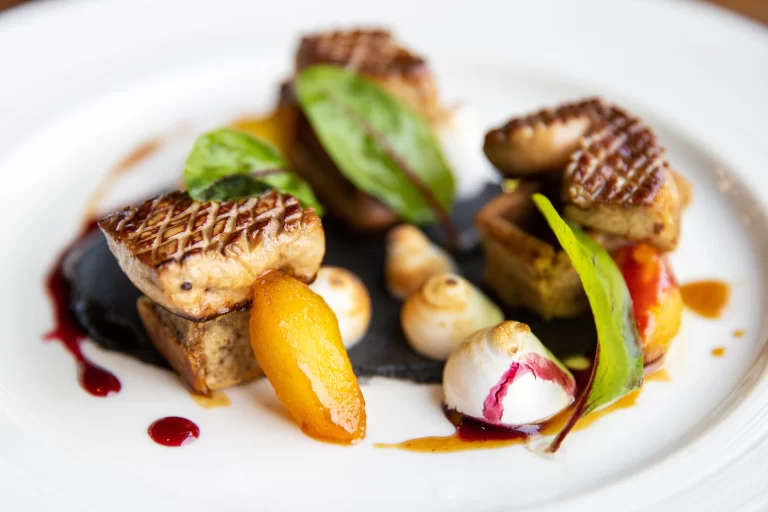
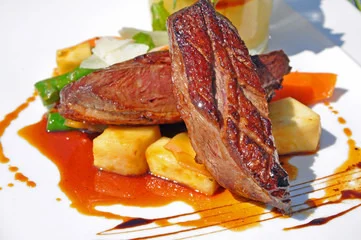
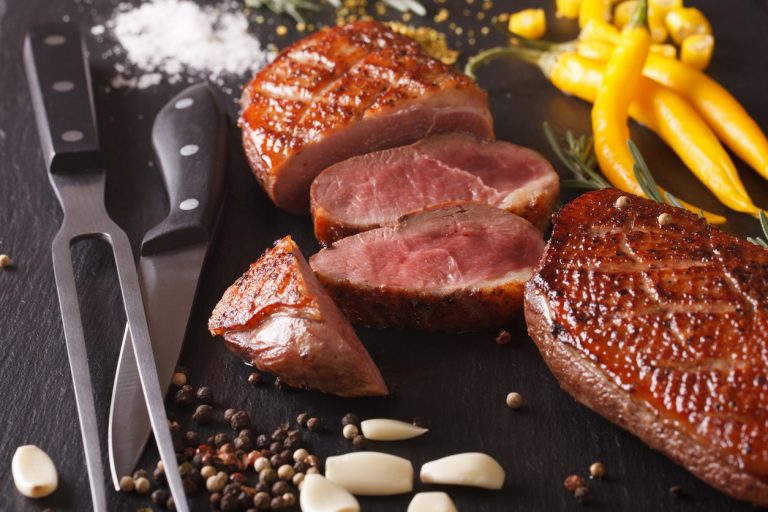
Traditionally, on Saint Martin's Day, we prepare a delicious tartine consisting of a slice of lightly toasted bread, covered with onion jam, a thin slice of smoked duck breast and a pretty slice of foie gras. The whole is accompanied by roasted peppers to spice up the preparation.
Two recipe suggestions:
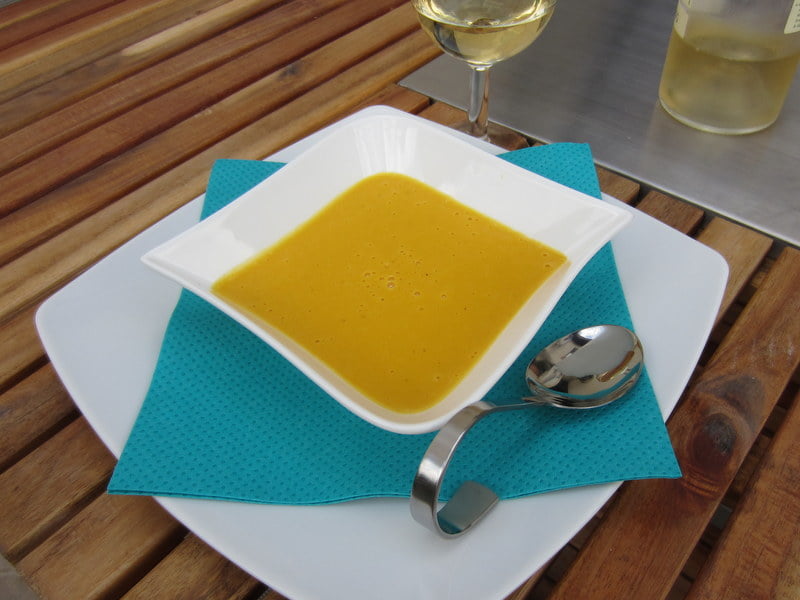
 To go beyond tartine gourmande and take the time to enjoy a good soup at the start of the cold season, we suggest :
History of Saint Martin:
Martius (Saint Martin) was born in 316 on a Danubian plain near the border of the Empire in present-day Hungary. Saint Martin was a soldier, just as his father had wished.
During his career as a young man, Martin meets a cold old man. He cut his cloak in half with his sword and gave him one of the two halves. This act of compassion, and many others, made Martin a very popular saint in Europe. One night, shortly after this event, Christ appeared to Martin in a dream and said to him: "By covering this old man, you have covered me". Martin decided to turn to God.
He was baptized in 334 and left the army in 356. In 360, he joined Hilaire in Poitiers. For 10 years, the followers of this monastery preached the word of God, generating numerous conversions in Poitiers. Martin performed numerous miracles, including the resurrection of two dead men.
He managed his diocese with intelligence and skill, and founded a hermitage, Marmoutier, on the other side of the river. From his military upbringing, Martin retained a sense of organization: he launched his missionaries and new parishes appeared: Saunay, Amboise, Langeais and Candes, Tournon and Ciran.
At the head of his "legions of monks", Martin destroyed pagan idols. He frequented councils and episcopal synods. Emperors and high dignitaries respected or feared him for his holy words and miraculous deeds. IN 397, Martin went to Candé "after having restored peace" and died.
A special liturgy is celebrated in his honor: Saint Martin d'été on July 4 and Saint Martin d'automne on November 11. Saint Martin d'Automne is associated with the Foie Gras festival.
Recipe idea : EAT FOIE GRAS DIFFERENTLY
To celebrate Saint Martin's Day, we've put together two easy-to-make recipes for enjoying foie gras in a different way, with seasonal vegetables.
The velouté season is just around the corner, discover :
- Foie gras soup
- Cream of pumpkin soup with foie gras
Enjoy your meal.